What Does Private Duty Nursing Include?
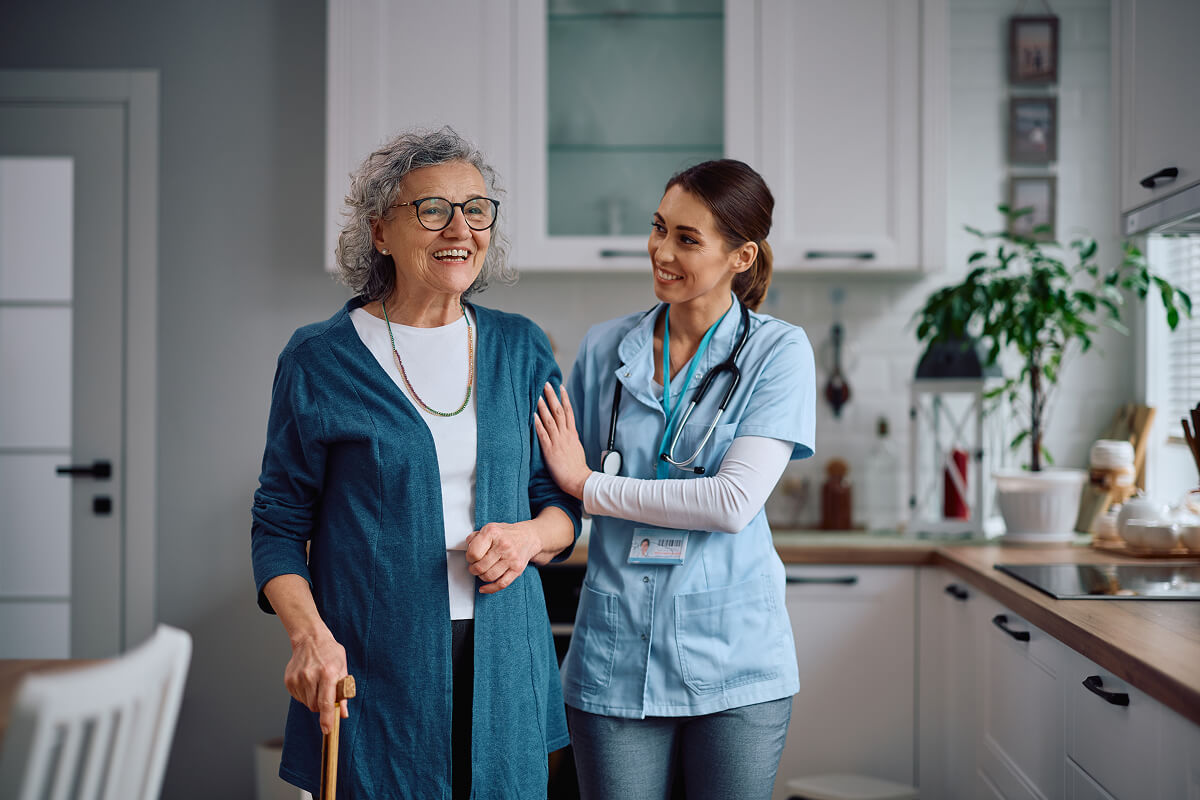
When a loved one needs more than basic help at home, families often start searching for care that feels both professional and personal. This is where private duty nursing stands out. It offers skilled, one-on-one care in the comfort of the home, helping individuals stay safe while maintaining independence and dignity.
But what exactly does private duty nursing include? Understanding the full scope of these services can help families make confident, informed decisions.
What Is Private Duty Nursing?
Private duty nursing is a type of in-home care provided by licensed nurses, such as registered nurses and licensed practical nurses. Unlike standard home care, which focuses on daily living assistance, private duty nursing delivers clinical support tailored to a person’s medical needs.
This type of care is ideal for individuals recovering from illness, managing chronic conditions, or requiring ongoing medical attention at home.
Who Needs Private Duty Nursing?
Private duty nursing supports a wide range of individuals, including:
- Seniors with complex health conditions
- Patients recovering after surgery or hospitalization
- Individuals with chronic illnesses such as diabetes or heart disease
- People with disabilities who need long-term care
- Individuals requiring medication management or monitoring
It is designed for anyone who needs consistent, skilled care without leaving the comfort of home.
Core Services Included in Private Duty Nursing
Private duty nursing goes beyond basic caregiving. It provides hands-on clinical care combined with compassionate support.
Medication Management
One of the most important aspects of private duty nursing is ensuring medications are handled safely and correctly. Nurses can:
- Administer prescribed medications
- Monitor for side effects or reactions
- Maintain accurate medication schedules
- Coordinate with physicians for adjustments
This reduces the risk of missed doses or complications.
Health Monitoring and Assessments
Private duty nurses closely track a patient’s health to catch changes early. This includes:
- Checking vital signs such as blood pressure and heart rate
- Monitoring symptoms and overall condition
- Reporting updates to doctors and family members
- Adjusting care based on health changes
Regular monitoring helps prevent hospital readmissions and supports better outcomes.
Post-Surgical and Recovery Care
After a hospital stay, many patients need extra support during recovery. Private duty nursing helps by:
- Managing wound care and dressings
- Monitoring healing progress
- Assisting with mobility and safe movement
- Ensuring follow-up care instructions are followed
This level of attention can speed up recovery and reduce complications.
Chronic Disease Management
For individuals living with long-term conditions, ongoing care is essential. Private duty nurses help manage:
- Diabetes care and blood sugar monitoring
- Heart conditions and symptom tracking
- Respiratory issues and oxygen support
- Neurological conditions such as Parkinson’s or dementia
The goal is to improve the quality of life while keeping conditions stable.
Personal Care With Clinical Oversight
While private duty nursing focuses on medical care, it often includes help with daily activities when needed, such as:
- Bathing and grooming
- Dressing and hygiene
- Mobility assistance
- Meal support
The difference is that these services are provided with a clinical understanding of the patient’s condition.
Care Coordination
Private duty nurses often act as a bridge between families and healthcare providers. They:
- Communicate with doctors and therapists
- Help manage appointments and follow-ups
- Keep detailed records of care
- Provide guidance to family members
This coordination ensures everyone involved is informed and aligned.
The Benefits of Private Duty Nursing
Choosing private duty nursing offers several important advantages:
Personalized One-on-One Care
Care is tailored to the individual, not a general schedule. This allows for focused attention and better outcomes.
Comfort of Home
Patients can receive professional care without leaving their familiar surroundings, which supports emotional well-being.
Improved Safety
With a trained nurse present, risks such as falls, medication errors, or health complications are significantly reduced.
Peace of Mind for Families
Families feel reassured knowing their loved one is being cared for by a qualified professional.
Private Duty Nursing vs. Standard Home Care
It is important to understand the difference between private duty nursing and non-medical home care.
- Home care focuses on companionship and daily living support
- Private duty nursing includes medical care provided by licensed professionals
Many families choose a combination of both to meet all needs.
How Care Plans Are Created
Private duty nursing always begins with a detailed assessment. A nurse evaluates the patient’s health, lifestyle, and goals before creating a personalized care plan.
This plan outlines:
- Required medical services
- Frequency of visits
- Safety considerations
- Long-term care goals
Care plans are flexible and can be updated as needs change.
Is Private Duty Nursing Right for Your Family?
If your loved one requires more than basic assistance and requires medical attention at home, private duty nursing may be the right solution.
It is especially helpful when:
- There are complex health conditions involved
- Frequent monitoring is needed
- Recovery requires professional oversight
- Family members need additional support
Selecting the right care can make a meaningful difference in both health and quality of life.
What to Look for in a Private Duty Nursing Provider
Not all care providers are the same. When choosing a provider, consider:
- Nurse qualifications and experience
- Personalized care approach
- Communication with families
- Flexibility and responsiveness
- Reputation and trustworthiness
A nurse-led agency often provides an added level of oversight and reliability.
Final Thoughts
Private duty nursing is more than just medical care at home. It is a comprehensive, personalized approach that blends clinical expertise with compassion.
From medication management to recovery support and ongoing monitoring, these services help individuals stay safe, comfortable, and supported in their own homes.
For families, it offers something equally valuable. Confidence, clarity, and peace of mind.